
What to Check When Buying a Used 4WD in Brisbane
A practical 15-point checklist for spotting hard use, hidden damage and poor modifications before you commit.
Buying a used 4WD can be a smart way to get the capability you need without starting from new. But compared with a typical used car, there can be more to investigate.
A 4WD in Brisbane or South East Queensland may have spent weekdays carrying tools, weekends towing, holidays on the beach or years tackling rough tracks. None of that automatically makes it a bad buy. What matters is whether the vehicle was used within its limits, maintained properly and repaired correctly when something went wrong.
This guide is designed to help you separate normal signs of use from the things worth investigating before money changes hands.
The quick answer
Check the VIN and history, service records, chassis, underbody, rust, water-damage clues, leaks, tyres, suspension, towing wear, accessories and modification paperwork. Start it cold, complete a proper road test, confirm the 4WD system works as the owner's manual describes, and arrange an independent inspection before buying.
The 15-Point Used 4WD Checklist
Use this during the inspection. The aim is not to diagnose every mechanical problem yourself. It is to know what deserves a closer look, what questions to ask and when it is worth bringing in a qualified professional.
Inspect underneath safely: Never get under a vehicle supported only by a jack. Use a workshop hoist, compliant ramps or correctly rated stands on a hard, level surface, or leave the underbody inspection to a qualified professional.1
1. Choose the right 4WD for the job
2. Verify the VIN and complete a PPSR search
3. Read the service, repair and recall history
4. Inspect chassis rails, crossmembers and mounting points
5. Check for underbody impact damage
6. Check for rust, trapped sand and salt exposure
7. Look for flood and water-entry clues
8. Inspect the engine, driveline and visible fluid leaks
9. Check all tyres, wheels and the spare
10. Check steering and suspension condition
11. Ask about towing and regular load use
12. For diesels, ask about DPF use and warnings
13. Inspect accessories and electrical installation
14. Confirm modification paperwork and vehicle weights
15. Complete a cold start, proper road test and 4WD check
Before the Inspection: Purpose and History
A good used 4WD is not simply the cleanest or most accessorised example. It is the one that suits your use and has a condition, history and price that make sense together.
Low kilometres do not tell the whole story
A higher-kilometre 4WD with consistent servicing may be a more confident proposition than a low-kilometre vehicle with unexplained gaps. Read the chronology: dates, kilometres, repair receipts and evidence of major scheduled work.
For a 4WD, the useful questions go beyond engine oil. Ask whether the transfer case, transmission and differentials were serviced when required for that model, and whether any repeated warning lights or driveline concerns were properly diagnosed.
Know what a Queensland safety certificate does and does not tell you
A Queensland safety certificate covers minimum safety standards across areas such as tyres, brakes, steering, suspension, body damage and lights. It is not a comprehensive mechanical assessment of the vehicle's quality or remaining life.7
Buying privately? Queensland guidance recommends extra checks because a private seller is not bound by the same consumer protections as a licensed motor dealer. Confirm the current rules for your situation and make an independent vehicle inspection part of the decision.8
For the general body, cabin and paperwork checks that apply to every used vehicle, use Motorama's complete used-car inspection guide. This page goes deeper on the parts that make a 4WD different.
Underneath the 4WD: Damage, Corrosion and Water Clues
The polished exterior tells you how a vehicle was prepared for sale. The underside is more likely to show how it has been used.
Light scratches on a bash plate can be entirely consistent with normal 4WD use. The concern is force or neglect: deep impacts, distorted mounts, cracks, structural corrosion, leaking housings, packed sand or repairs that do not match the surrounding finish.
Signs of use that can be reasonable
- Light scratches on an intact bash plate.
- Minor cosmetic marks in a tray or cargo area.
- Dust in hard-to-reach places without moisture or corrosion.
- Light surface corrosion on exposed exhaust components.
- Quality accessories showing normal, well-maintained use.
Patterns that justify slowing down
- Scaling corrosion on chassis rails, mounts or suspension areas.
- Fresh localised underseal or paint with no clear explanation.
- Silt, moisture or corrosion across low-level cabin components.
- Cracked protection plates, damaged housings or bent brackets.
- Sand packed behind guards and plates with little evidence of cleaning.
Do not diagnose structural damage from a driveway glance. If something looks wrong, make the sale subject to a professional inspection or move on.
Under the Bonnet: Cold-Start, Leaks and Diesel Checks
Ask to see the vehicle before it has been warmed up. A cold start can reveal behaviour that disappears once the engine is at temperature.
Note excessive cranking, uneven idle, persistent smoke, rattles, warning lights and strong fuel, oil or coolant smells.
Look at oil and coolant levels, hoses, radiator condition, turbo plumbing and any fresh residue around the engine or driveline.
Accessory wiring should be fused, protected and supported. Loose batteries, exposed joins and heat-damaged cables are warning signs.
Some leaks, smells and warning lights only appear once pressure and temperature rise. Open the bonnet again after the road test.
Do not apply one DPF rule to every diesel
Many modern diesel 4WDs use a diesel particulate filter. Some need particular driving conditions to complete regeneration, and repeated low-speed stop-start use can prevent that process. Ask about past warnings or forced regenerations and check the owner's manual for that exact vehicle.5
Tyres, Suspension, Towing and Signs of Hard Use
Hard use is not automatically abuse. A well-maintained work or towing vehicle can be a sound buy. The job is to see whether its maintenance kept pace with the work.
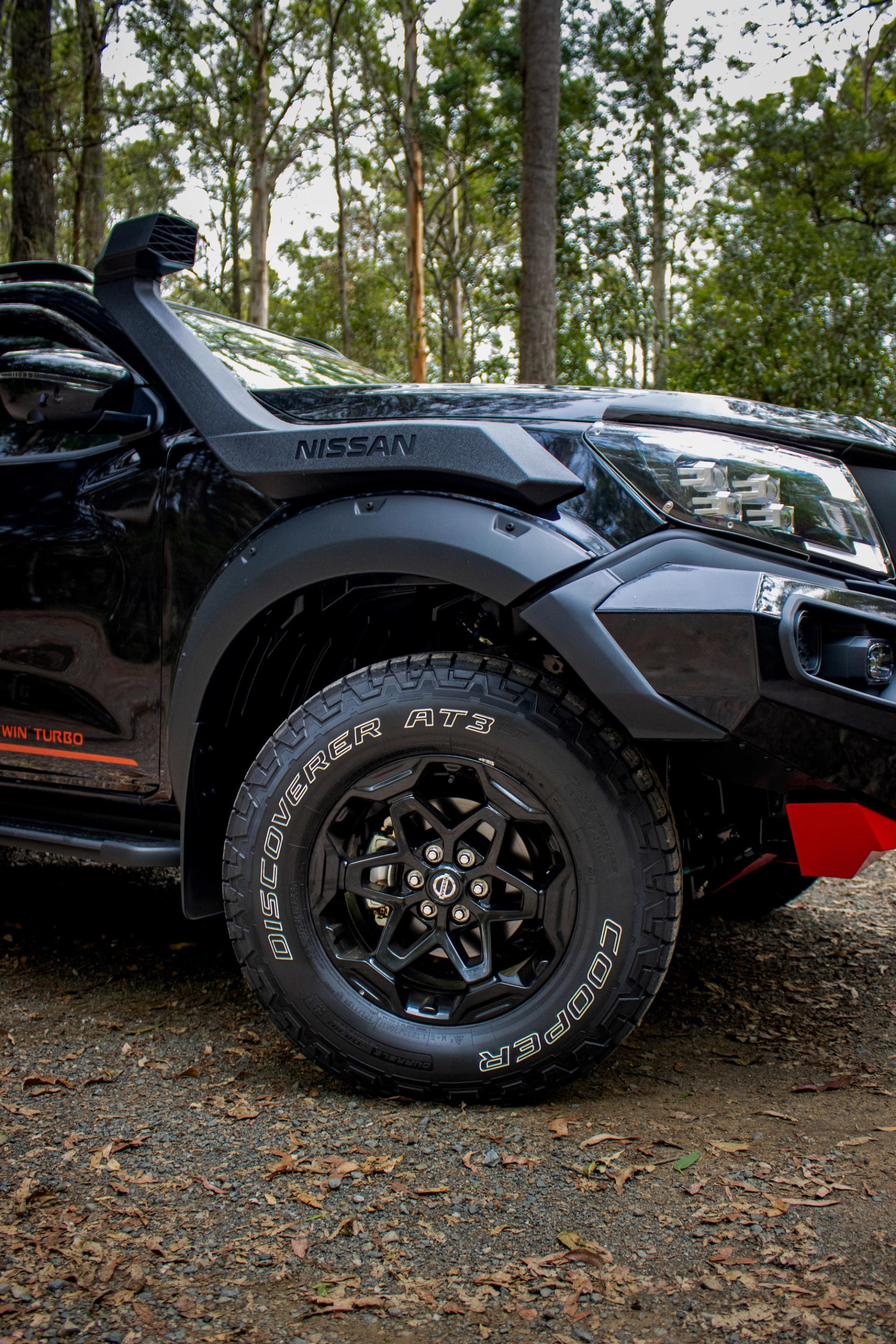
Tyres can tell a useful story
Check all four road tyres and the spare.
Different brands are not automatically unsafe, but mixed sizes, unsuitable load ratings, severe uneven wear, sidewall damage or rubbing need attention. Uneven wear can have several causes, so treat it as a prompt for further inspection rather than a diagnosis.
Look at how the vehicle sits
Compare left to right and front to rear.
Rear sag, leaking shock absorbers, damaged bushes or a vehicle leaning to one side can reflect load history or delayed repairs. During the road test, listen for clunks and note whether the steering centres and the body settles cleanly after bumps.
Ask specific towing questions
"Has it towed?" is only the start.
Ask what it towed, how often, over what terrain and whether the vehicle was serviced more frequently for that use. Check the towbar and its mounting points, trailer wiring, brake controller, rear suspension and transmission behaviour.
Accessories and Modifications: Value or Liability?
A long accessory list can save money, or give you a collection of problems you would never have chosen yourself.
For every major accessory, ask for the brand, model, installer, receipt, warranty and any required approval documents. Good accessories are not simply expensive; they suit your use, remain secure, work correctly and have been installed without creating new risks.
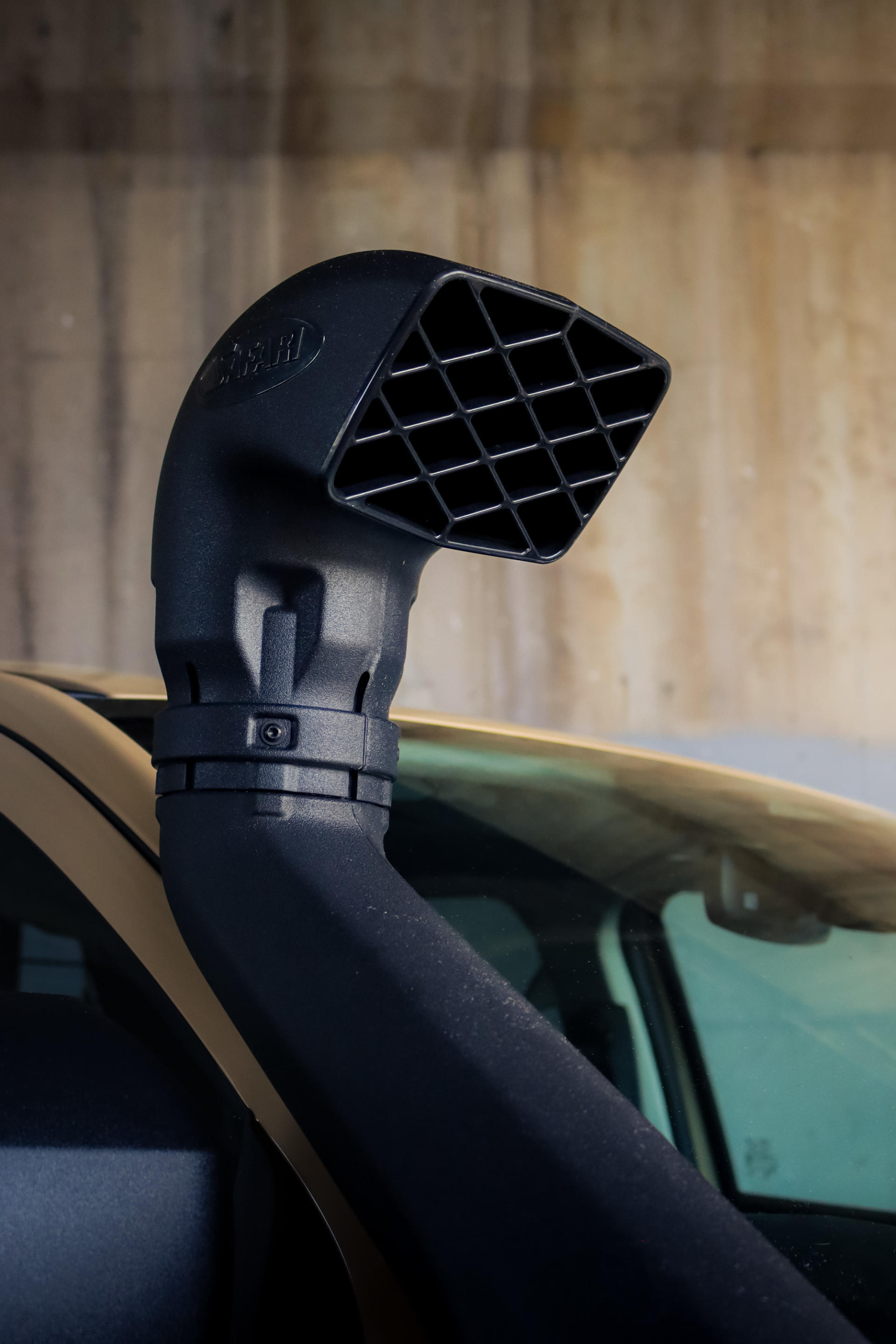
Inspect the installation, not just the product badge
- Wiring should be fused, supported and protected from sharp edges, heat and moving parts.
- Auxiliary batteries should be secure and correctly ventilated where required.
- Bull bars, roof racks, canopies and recovery points should not move around their mounts.
- A snorkel raises the air intake; it does not make the whole vehicle waterproof. Confirm the intake has been sealed properly.
- Suspension lifts, wheel and tyre changes and GVM upgrades should match the approval paperwork and the vehicle as presented.
Queensland's modification rules can change and the requirements depend on the work performed. Check the current Queensland TMR Road Vehicle Modification Handbook or ask an appropriately approved person rather than relying on a seller's assurance that "everyone runs them like that".6
The Test Drive: What to Check and When to Walk Away
Turn the radio off. Use more than one type of road where practical. Give the vehicle enough time to warm up and reveal how it behaves.
Check whether it tracks straight, the steering wheel sits correctly, the brakes stop cleanly and the gearbox responds consistently. Listen for humming, whining, knocking or vibration that changes with road speed, engine speed or load. Watch the temperature gauge and every warning light.
Test the 4WD system the right way
Follow the owner's manual.
Engagement procedures differ between vehicles, and part-time 4WD should not be driven on dry, high-grip bitumen.
On an appropriate surface, confirm the relevant 4H, 4L, diff-lock or terrain-system indicators behave as described and the system engages and disengages without grinding, binding or persistent warnings.
When to walk away
You do not need to diagnose every fault before deciding that a vehicle is not worth the risk.
- The seller refuses a meaningful test drive.
- The seller will not allow an independent inspection.
- The VIN or documents do not match.
- There is structural damage or serious corrosion.
- Flood clues appear across several areas.
- Warning lights remain on.
- The 4WD system will not operate correctly.
- Complex modifications have no supporting paperwork.
- The condition contradicts the seller's explanation.
- You are being pressured to pay before checking.
A qualified pre-purchase inspection is especially useful for a 4WD because many important components are difficult to assess safely without a hoist and the right experience.
Still building your shortlist?
Compare Motorama's current pre-owned 4WDs for work, towing, family use and weekends away.
Used 4WD FAQs
What is the most important thing to check on a used 4WD?
How can you tell if a 4WD has been used off-road?
Is high mileage a deal-breaker on a used 4WD?
Is it worth buying a modified 4WD?
Does a Queensland safety certificate mean the vehicle is mechanically sound?
Should I arrange a pre-purchase inspection?
Sources and Further Checks
- RACQ: Keep safe while using a car jack
- Australian Financial Security Authority: Do a used car or vehicle search
- Australian Government: Vehicle Recalls
- RACQ: What to do if your vehicle has been flooded
- RACQ: A guide to diesel particulate filters
- Queensland TMR: Road Vehicle Modification Handbook
- Queensland TMR: Safety certificates
- Queensland Government: Buying used cars privately
- RACQ: Checklist for car buyers
This article provides general information only. It is not a mechanical assessment, legal advice or a guarantee of a particular vehicle's condition. Requirements, vehicle systems and modification rules vary. Check the owner's manual, current Queensland guidance and advice from a qualified inspector for the specific vehicle.


