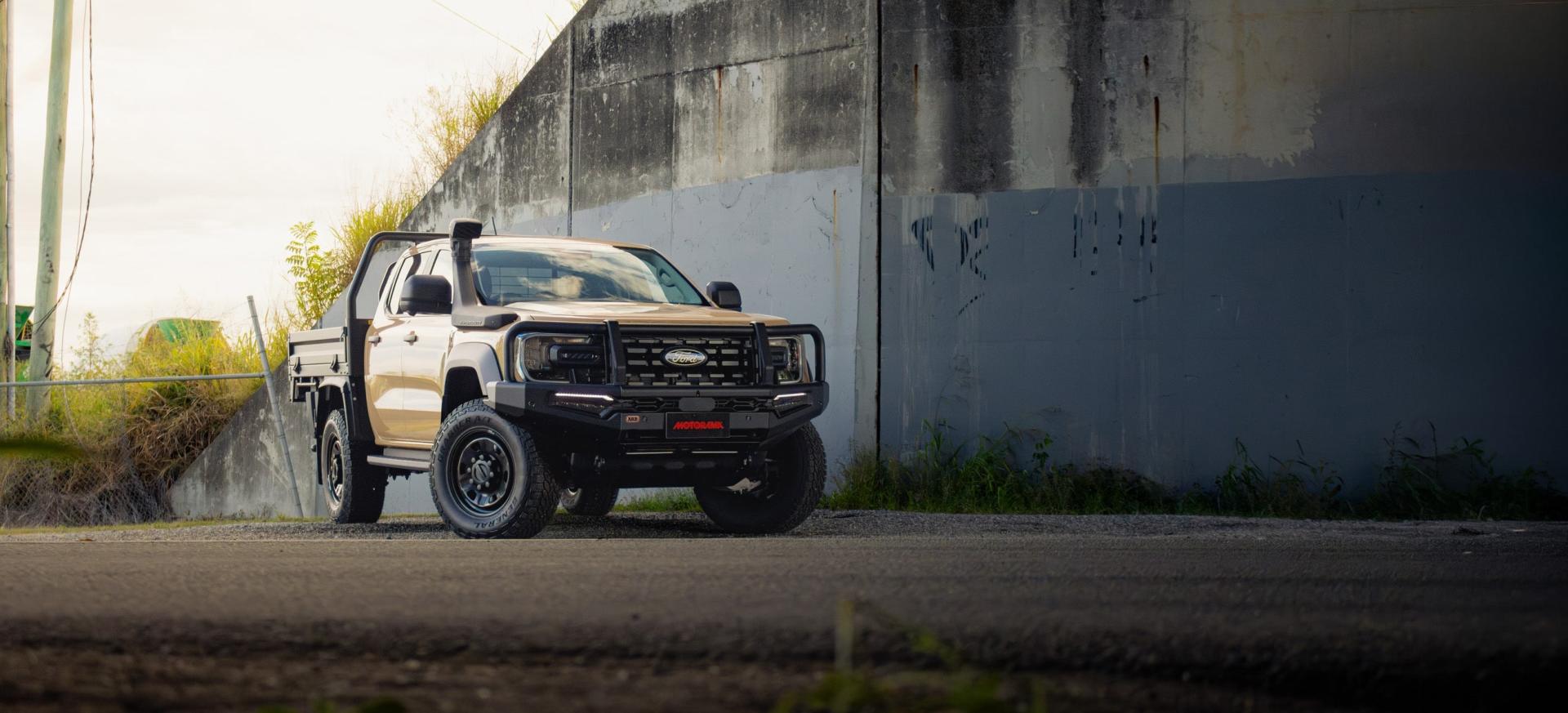
Review: 2026 Ford Ranger Super Duty Cab-Chassis
Posted in Vehicle Reviews
What the Ranger Super Duty like day-to-day in Brisbane
Most reviews of the Ford Ranger Super Duty open with the big numbers: 4.5-tonne towing, 4.5-tonne GVM, 8,000kg GCM. They should - those figures are the point.
But here's the reality for a lot of Brisbane buyers. Even if you need that level of capability, you're not towing 4.5 tonnes every day. You're driving through school zones, merging onto the Gateway, crawling along Logan Road, parking at job sites and Bunnings carparks.
So we did something slightly different. We spent a weekend with the Dual-Cab Cab-Chassis, unladen, around Brisbane's southside. No trailer. No load. No simulated mining site. Just real-world daily driving.
Because if this thing is unbearable when empty, the numbers don't matter.
- Tested: Dual cab, cab-chassis base trim (w/ Work Pack)
- Not tested: Towing, payload, or off-road.
Why the Super Duty feels different before you even look at the specs
On paper, the engine reads familiar: Ford's 3.0-litre V6 turbo diesel, now producing 154kW and 600Nm. The torque figure hasn't changed, but peak power is down - a deliberate recalibration to meet heavy-duty EUVI emissions and prioritise sustained load durability. Cooling capacity has been increased by 25 per cent. AdBlue is now part of the ownership equation.
But those changes don't fully explain what you feel behind the wheel.
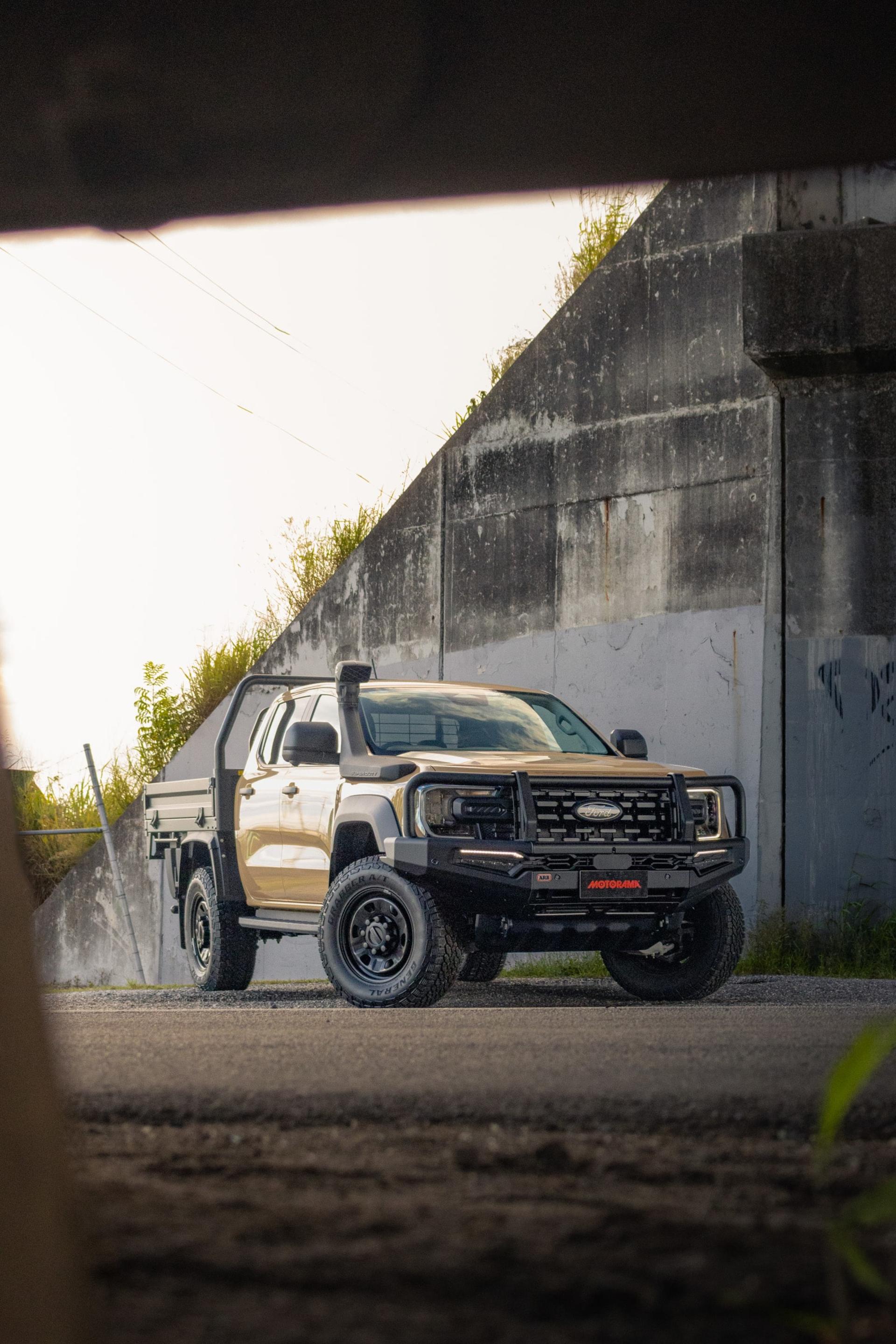
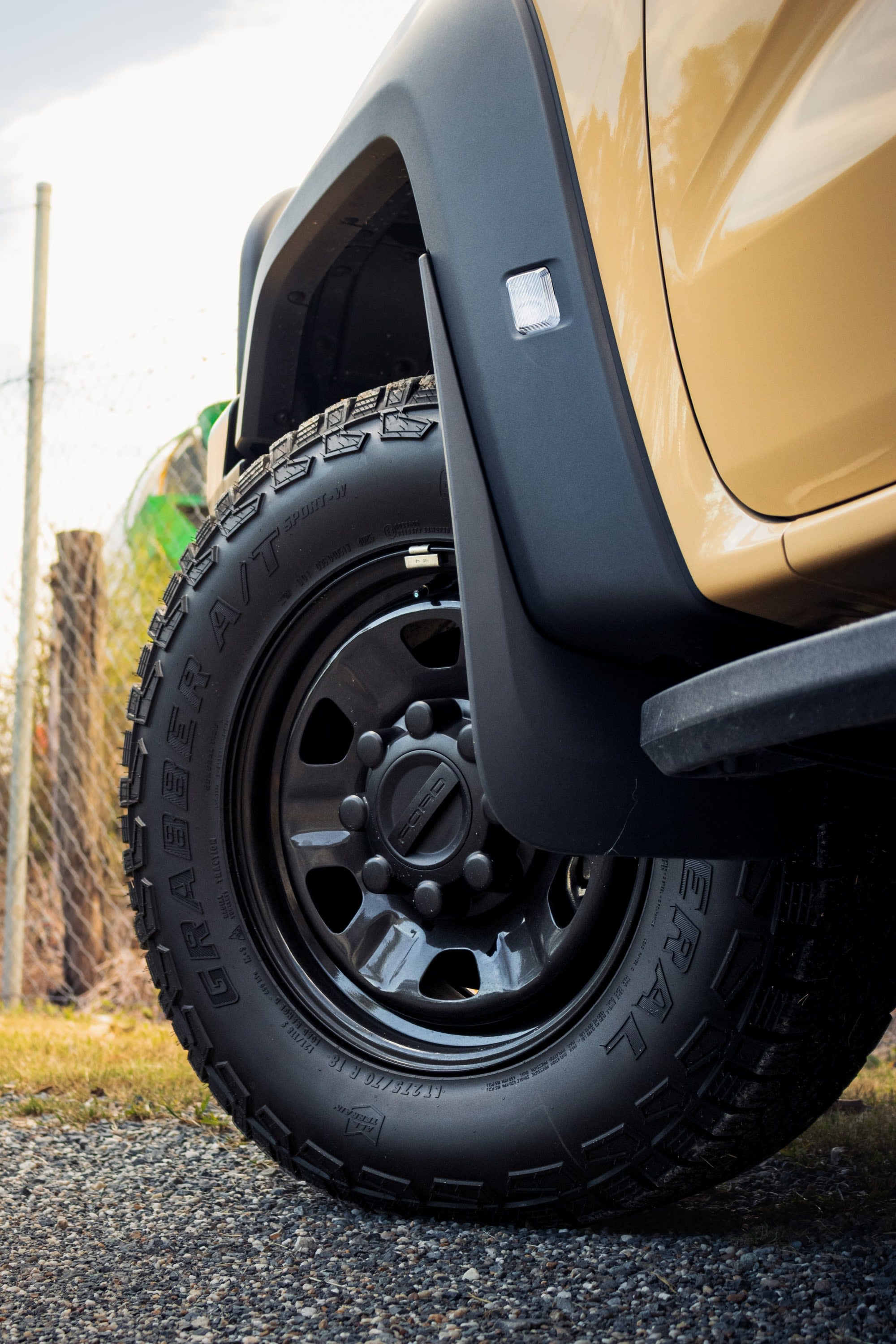
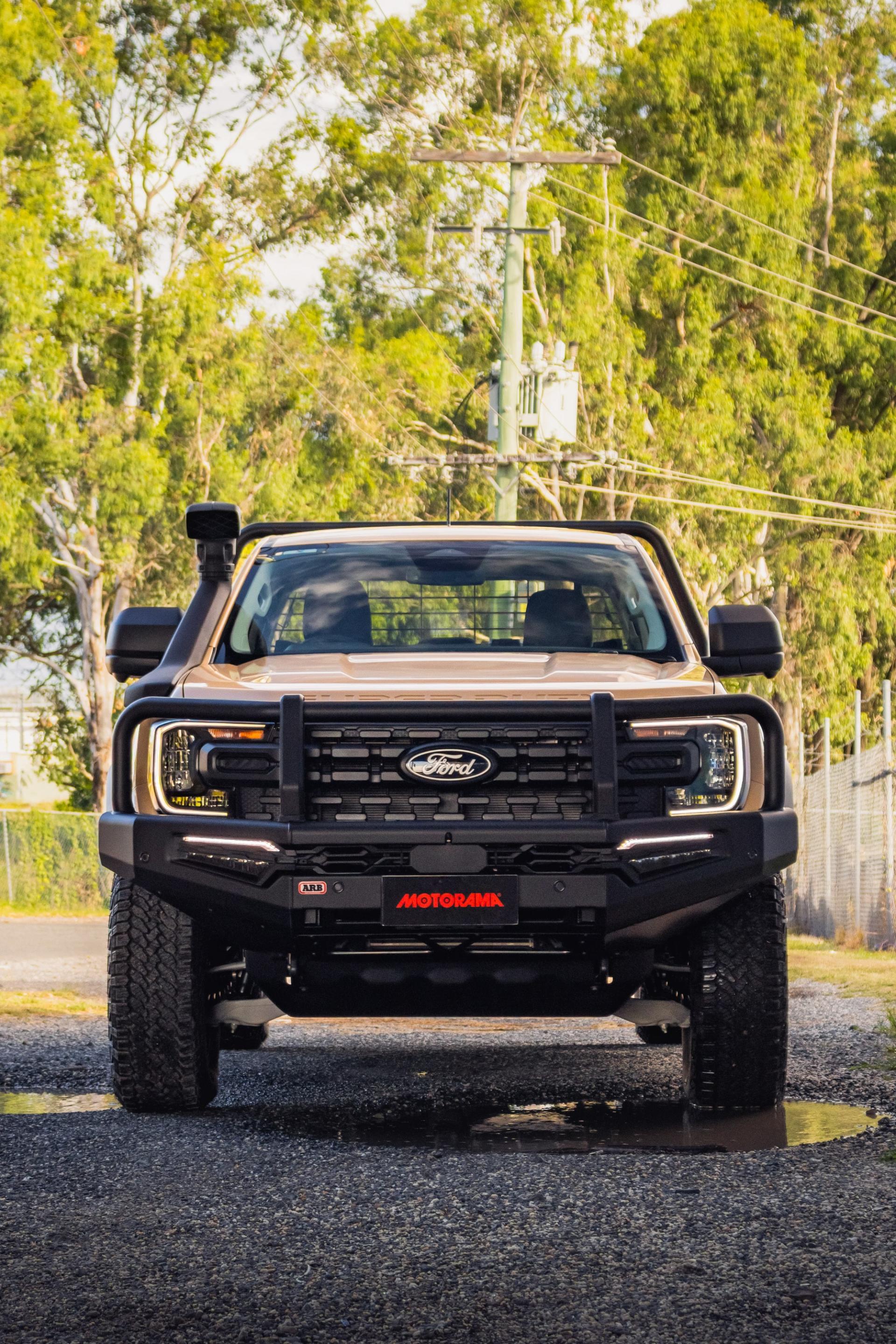
The real difference lies underneath. This isn't a sticker pack or a mild suspension tweak. The chassis, suspension, steering components, underbody protection - everything has been toughened up. The wider 1,710mm track, the 33-inch General Grabber light-truck tyres, the reinforced hardware, the steel bumper, the underbody shielding - they all add mass and rigidity.
And you can feel that.
First impressions: taller, not bloated
Climbing in, the height stands out immediately. It's a bigger step up - noticeably so - and you sit higher than in a standard Ranger. My partner commented on it straight away.
What's interesting is that it doesn't look like a suspension lift. It doesn't feel aftermarket. It feels proportionally larger, as though the whole vehicle has been scaled up slightly - tyres, clearance, stance - rather than simply raised.
On the road, it strikes a balance. Yes, it feels like a truck; but it still feels like a Ranger. The steering weight is well judged - not heavy, not vague - and there's none of that underweighted, disconnected feel you sometimes notice in other utes. It's composed, measured, familiar.
Manageable. That's the word.


Ride quality around Brisbane: firm, but solid
This is where the Super Duty separates itself.
Heavy-duty utes can feel light and loose when empty. You get that slightly unsettled, bouncy rear end over uneven suburban roads. That wasn't the case here.
Over Brisbane's patched bitumen - the kind you find weaving through the southside - the Super Duty felt firm, yes, but not harsh. It didn't crash over bumps. It didn't pogo over speed humps. Instead, it felt solid. Controlled. Deliberate.
There's a sense of structural stiffness through the chassis that you don't always get in lighter-duty utes. You can feel the additional engineering underneath you; the reinforced suspension, the heavier-duty components, the increased ground clearance (295mm in the double cab) all combine to give it a planted, almost dense feel.
Speed bumps were easier than expected. No awkward rebound. No exaggerated rear-end hop. Just a firm compression and recovery.
It doesn't feel soft. It feels tough - and that's different.
Highway behaviour: where the engineering pays off
At motorway speeds, the Super Duty really settles.
At 100-110km/h, it tracks straight as a tack. Minimal steering correction. Stable, planted, confidence-inspiring. The wider track almost certainly contributes to that stability, especially combined with the heavier-duty suspension setup and full-time four-wheel-drive system.
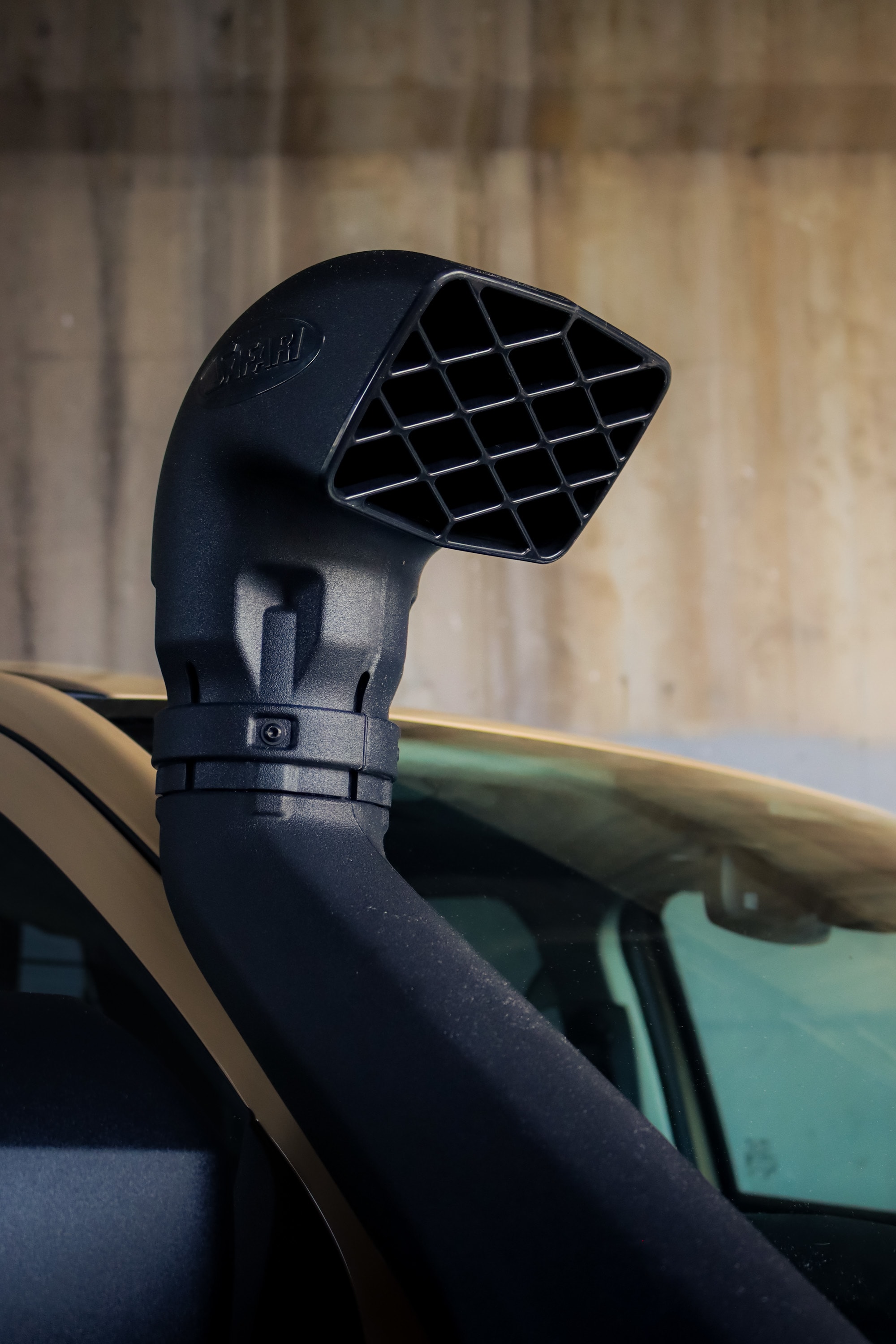
Tyre noise from the 33-inch all-terrains is surprisingly restrained. The snorkel does introduce a touch more wind noise - you're aware of it - but it's not intrusive.
Compared with a standard Ranger, it feels marginally more settled at speed. Not dramatically different, but there's a subtle sense that this thing is built to handle sustained load and higher stresses without feeling flustered.
That "toughened up" engineering isn't just theoretical. You feel it.

Engine & transmission: tuned for work, not sprints
You do notice the reduction in peak power.
Off the line, it doesn't leap forward. There's a moment where gearing and mass assert themselves; it gathers, then moves. It's not turbo lag in the traditional sense - more a combination of weight and calibration.
But once rolling, it feels strong. Six hundred Newton-metres still delivers ample shove in everyday driving. You're never left wishing it had more torque; it just doesn't surge aggressively.
The 10-speed automatic remains smooth and predictable, exactly as it is in the broader Ranger line-up. In traffic, it behaves itself. No hunting. No drama.
It feels tuned for sustained effort rather than quick bursts - which aligns perfectly with its intended purpose.
Urban usability: one compromise
For something with this much hardware underneath it, the Super Duty is surprisingly easy to live with in town.
Roundabouts were straightforward; the steering remained balanced and composed. Visibility is good, even with the taller mirrors designed for towing. It doesn't feel oversized in traffic.
But the turning circle is wider than you might expect from a mid-size ute.
In tighter parking centres, I needed a second swing on a couple of occasions. It's manageable - and you'd adjust to it quickly - but it's more in line with what you might expect from an American pick-up like an F-150 rather than a conventional ute.
That's probably the most noticeable daily trade-off.


Cabin: work-ready without feeling stripped out
The base Super Duty is utilitarian, and it's meant to be.
Vinyl floors. Cloth seats. Manual adjustment. No unnecessary flash.
Yet it doesn't feel cheap. It feels purposeful.
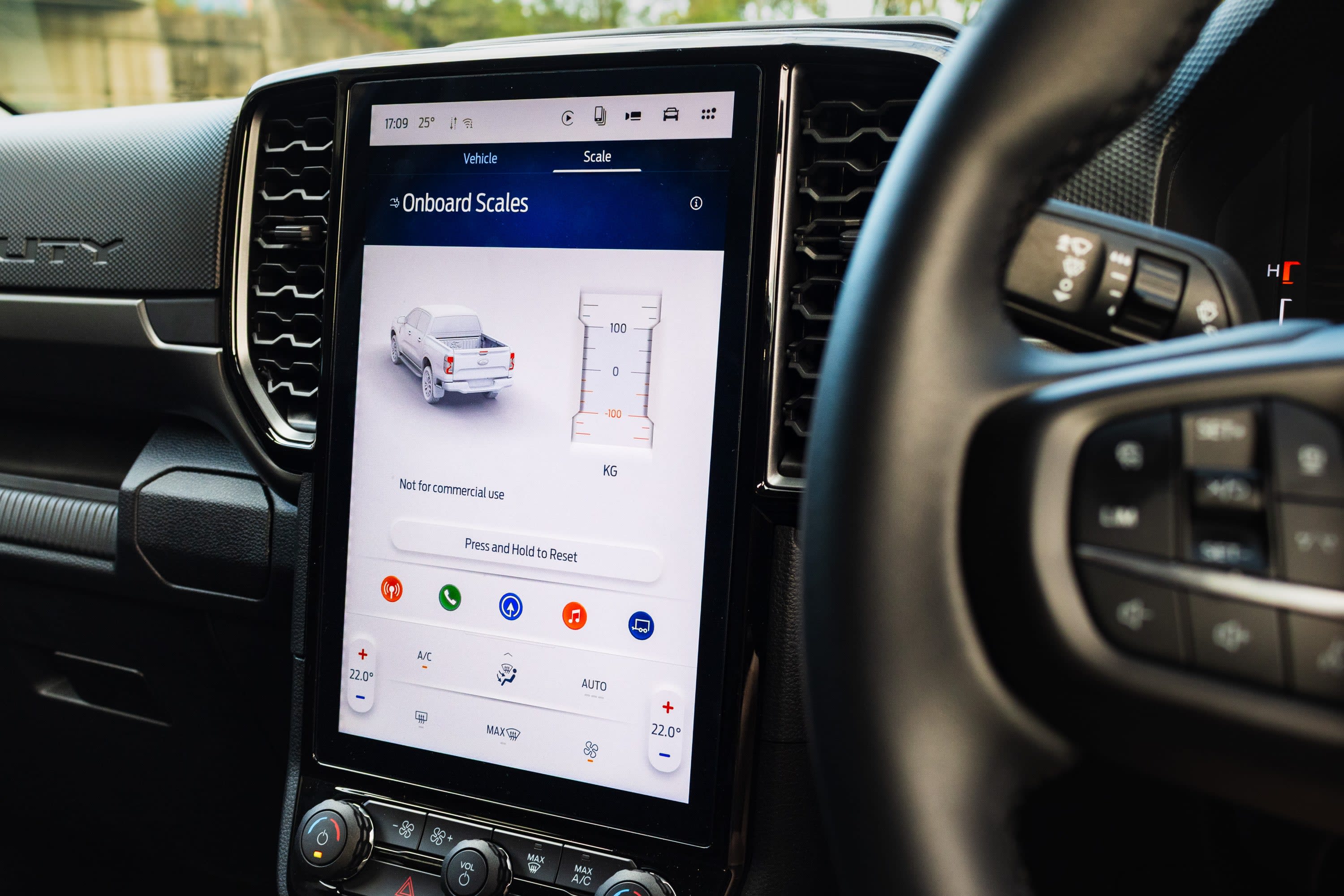
The cloth seats were more comfortable and supportive than expected; after two solid days of driving, there were no complaints. And crucially, Ford hasn't stripped away the core Ranger interior experience. The 12-inch portrait touchscreen remains, the layout is familiar, and there's no learning curve if you've spent time in any recent Ranger.
That continuity matters. When your vehicle is a tool, you don't want to relearn how to use it.
Built tough - and it genuinely feels that way
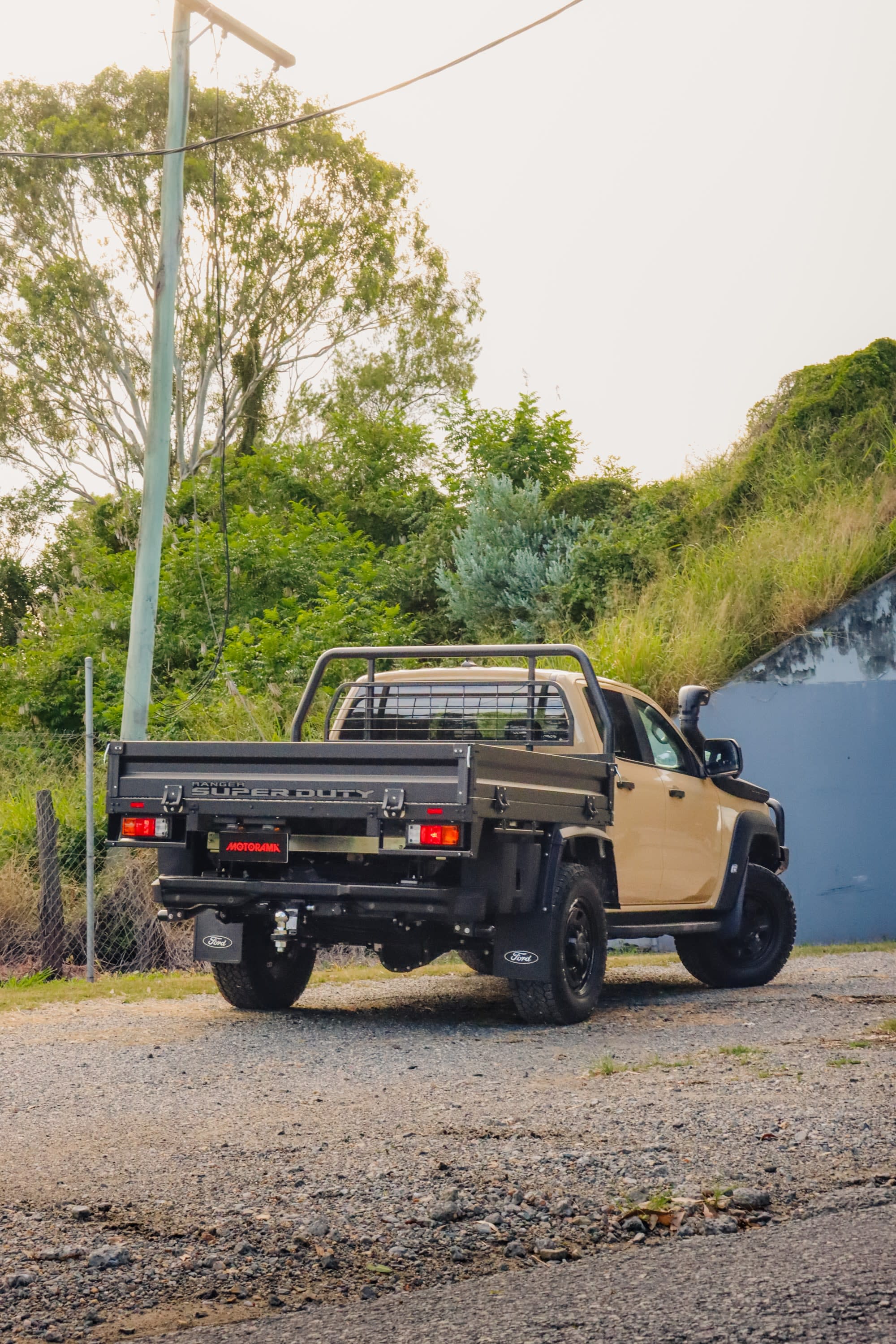
Ford talks about heavy-duty suspension, reinforced control arms, upgraded cooling, underbody protection, frame-mounted steel bumpers, and front and rear heavy-duty recovery points.
You can list those features - or you can describe the result.
The result is a ute that feels structurally solid. It absorbs bumps with authority. It doesn't flex or fidget over uneven surfaces. It carries itself with a certain heft.
Not prestige. Not flashy. Just engineered.
And interestingly, it doesn't scream for attention in traffic. Yes, other ute drivers notice it. But the differences over a standard Ranger don't stick out awkwardly. It doesn't feel excessive; it feels prepared.


What we didn't test
For clarity, this was not a towing test. We didn't load it to 4,500kg GVM. We didn't head off-road.
Ford's own development program included sustained GVM testing, GCM durability work on demanding Australian roads, mud-packing simulations, and high-speed water wading up to 850mm. That heavy-duty validation underpins the capability story.
Our focus here was simpler: daily life in Brisbane.
And on that front, it's easier to live with than you might expect.
Pricing context
Manufacturer's List Price (excluding tray and on-road costs):
- Single Cab-Chassis: $82,990
- Super Cab-Chassis: $86,490
- Double Cab-Chassis: $89,990
If you genuinely need factory-engineered 4.5-tonne capability, without aftermarket GVM upgrades or piecemeal modifications, the pricing starts to make more sense.
Final thoughts: who this suits in Brisbane
If you run a trade business, tow heavy equipment or large caravans, or simply don't want to constantly think about GVM and GCM margins, the Ranger Super Duty offers breathing room. Factory-backed, properly engineered breathing room.
If you're mainly commuting with light tools and rarely push the limits of a standard Ranger, it may be more capability than you need.
Would I daily drive it? Absolutely - provided I had a reason for that capability. It's tall, firm and undeniably heavy-duty, but it's controlled, stable and built with intent.
And that's what makes it feel different.
Find your perfect Ford Ranger Super Duty
Ready to get into your own Super Duty?
Drop us a line and the team at Motorama Ford will get in touch to assist you to get behind the wheel of your own Ranger Super Duty.